
RF-NonStick Ceramic Coating for Electrosurgical Electrodes
RF-NonStick is an all-ceramic non-stick surface technology developed to address the limitations of polymer-based coatings used on electrosurgical electrodes. It is designed to reduce tissue adhesion and maintain surface stability under RF cutting and coagulation operating conditions, without reliance on PTFE or related fluoropolymer materials
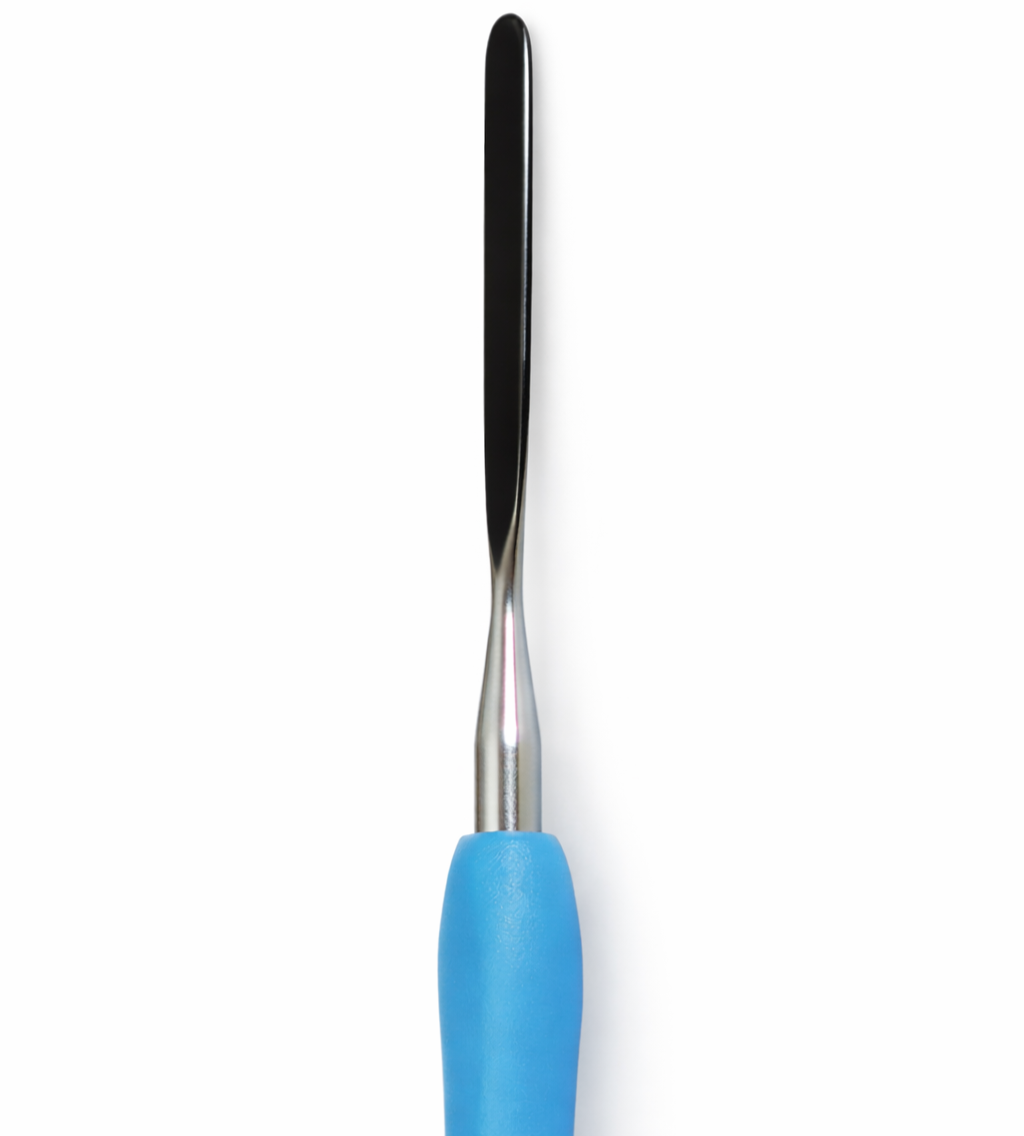
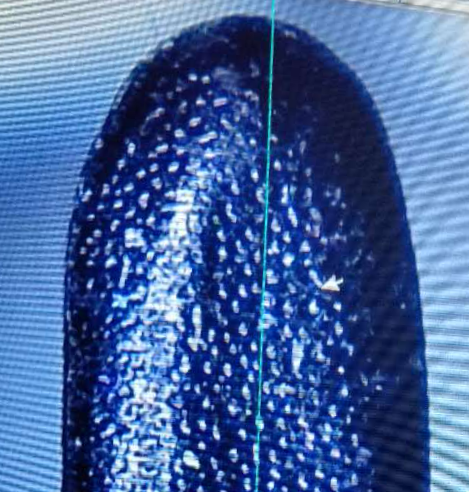
Magnified view of ceramic surface treatment applied to an electrosurgical electrode after use.
Coating Surface Treatment
RF-NonStick is implemented as a ceramic surface treatment designed for stability under the thermal and mechanical conditions encountered during RF electrosurgical use. At the material level, the coating is intended to maintain surface continuity and resist degradation when exposed to elevated temperatures associated with RF cutting and coagulation.
This magnified view illustrates the ceramic surface structure applied to the active region of an electrosurgical electrode. The coating is engineered to provide a stable interface between electrode and tissue while supporting consistent RF energy transfer.
Design Intent & Material Characteristics
Non-stick surface treatments are used in electrosurgical devices to reduce tissue adhesion, limit eschar accumulation, and support consistent RF energy delivery at the active electrode surface. The design intent of RF-NonStick coating is to provide a stable, non-polymeric surface that maintains its characteristics under the thermal and mechanical conditions encountered during RF electrosurgical use.
RF-NonStick is implemented as a ceramic surface treatment rather than a polymer-based coating. Ceramic materials are selected for their resistance to elevated temperatures, surface wear, and repeated exposure to RF energy. This material choice is intended to reduce the risk of surface degradation associated with softer coatings when subjected to prolonged or repeated heating cycles.
In addition to thermal considerations, material selection accounts for mechanical durability and compatibility with common sterilization processes. The ceramic coating is designed to tolerate handling, cleaning, and sterilization methods typically used in clinical environments, supporting consistent surface behavior over the intended service life of the device.
Durability & Sterilization
Electrosurgical electrodes are exposed to repeated thermal cycling, mechanical handling, and routine reprocessing during clinical use. Surface treatments applied to these devices must tolerate these conditions without peeling, delamination, or significant surface alteration.
RF-NonStick coating is designed as a ceramic surface treatment selected for resistance to elevated temperatures and mechanical wear associated with RF electrosurgical procedures. The coating is intended to maintain surface continuity when subjected to repeated heating and handling typical of clinical environments.
In addition to use-related stresses, the coating is designed to be compatible with common medical device sterilization processes, including steam-based methods. This compatibility supports integration into established clinical reprocessing workflows without introducing additional handling requirements.
Biocompatibility & Procedural Environment
RF-NonStick coating is implemented without the use of PTFE or related fluoropolymer materials. Certain polymer-based non-stick coatings may undergo thermal degradation when exposed to elevated temperatures associated with RF electrosurgical energy delivery.
By avoiding fluoropolymer materials, RF-NonStick coating eliminates the potential for fluoropolymer degradation byproducts that can be generated when polymer coatings are exposed to high temperatures. This material selection supports use in electrosurgical environments where localized heating at the active electrode surface is inherent to device operation.
Material selection for RF-NonStick coating is guided by biocompatibility considerations and compatibility with intended clinical use conditions, in accordance with medical device material evaluation practices.
Functional Impact on Electrosurgical Performance
During RF electrosurgical procedures, tissue interaction at the active electrode surface influences energy transfer, cutting behavior, and coagulation response. Accumulation of tissue material at the electrode surface can alter this interaction and interrupt consistent RF energy delivery.
RF-NonStick coating is intended to reduce tissue adhesion at the active surface of electrosurgical electrodes. By limiting the buildup of tissue material at the electrode interface, the coating supports more stable surface conditions during RF activation.
Maintaining a consistent electrode surface condition can reduce the need for interruption to clean the electrode during use and support predictable interaction between the electrode and tissue throughout a procedure. The functional impact of the coating is therefore linked to surface behavior and interaction stability rather than changes to RF generator output or operating parameters.
Application Across RF Kinetics Devices
RF-NonStick coating is applied across select electrosurgical devices developed by RF Kinetics where controlled tissue interaction and surface stability are important to device function. The coating is used on electrode designs intended for RF cutting and coagulation applications, where localized heating at the active surface is inherent to operation.
Implementation of RF-NonStick coating is aligned with RF Kinetics’ broader approach to RF device design, materials selection, and surface engineering. The coating complements system-level RF technology by addressing surface behavior at the electrode–tissue interface, rather than altering generator output or procedural technique.
Contact RF Kinetics for RF-NonStick coating availability, electrode compatibility, and technical details.